Basic Life Support Course in Saudi Arabia
When someone’s heart stops, you have minutes, not hours, to act. A Basic Life Support Traning gives you
the exact steps to follow in that moment: chest compressions, rescue breaths, and using a
defibrillator, so you can keep someone alive until professional help arrives.
Cardiac arrest and choking do not wait for a doctor to arrive. In those first few minutes, the person closest to the casualty is the one who decides whether they survive. A basic life support course trains you for exactly that moment, so you know what to do instead of freezing or guessing.
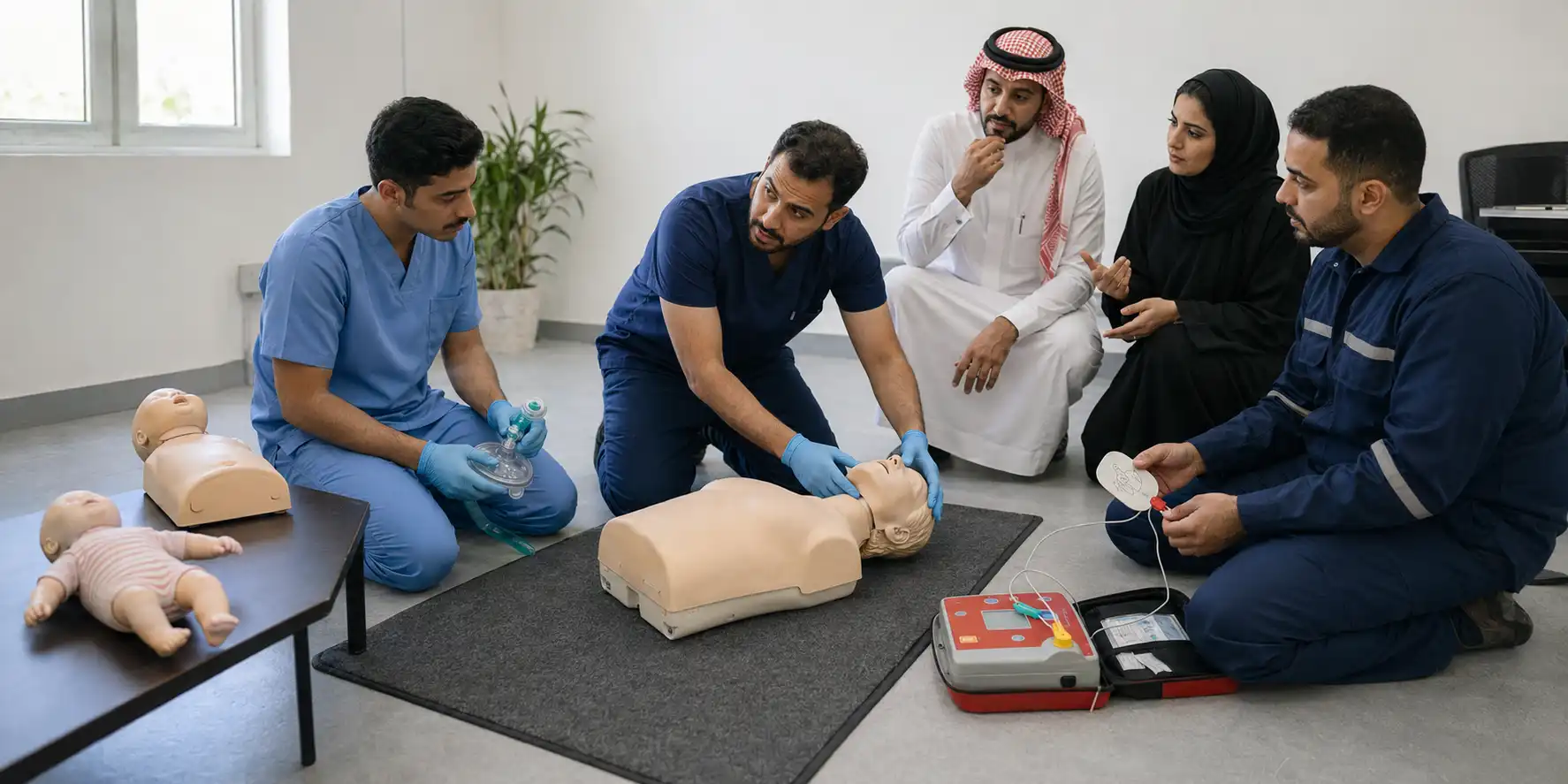
This course teaches you to recognise a life threatening emergency, give chest compressions and rescue breaths, use an AED, clear a blocked airway, and help a choking casualty of any age. It is accredited by the Saudi Heart Association, so your certificate follows a trusted local standard. It suits healthcare staff, first responders, workplace safety teams, and anyone who wants the skill to save a life.
Companies and individuals across the Kingdom choose Future Institute because we teach with real hands on practice, on manikins and AED trainers, not just slides. Our instructors have handled real emergencies, so they teach with confidence and real examples, in Arabic, English, Hindi, or Urdu. Whether learn at our centre, or at your site, you leave ready to act.

What Is a Basic Life Support Course?
A basic life support course teaches you to give immediate care to someone facing a life threatening emergency, such as cardiac arrest, choking, or respiratory failure, until professional medical help takes over.
It centres on cardiopulmonary resuscitation, known as CPR, along with using an automated external defibrillator, known as an AED, and keeping a casualty’s airway open. It is the foundation skill behind every emergency response, in hospitals and workplaces alike.
Why Basic Life Support Skills Matter
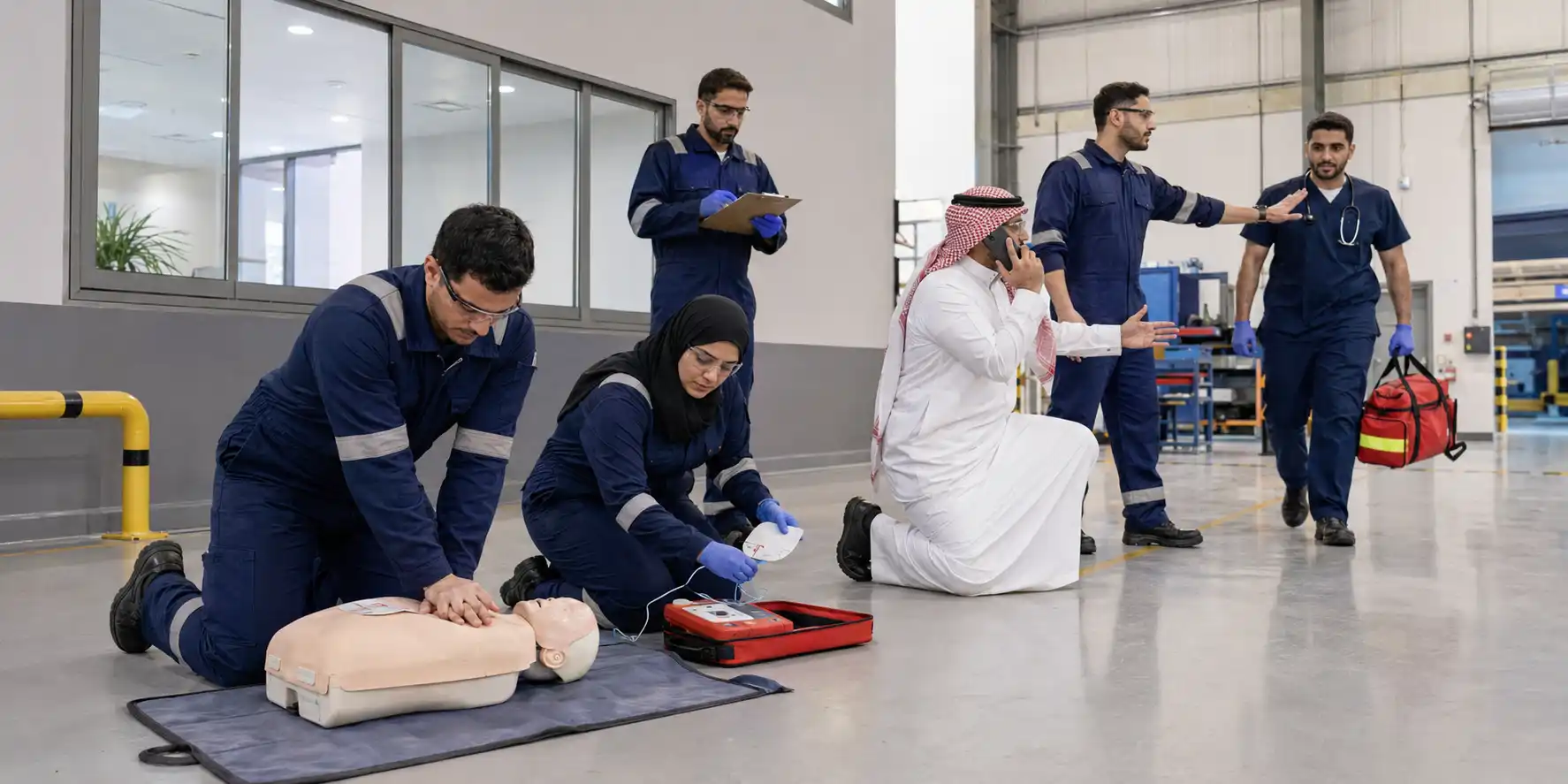
Most cardiac arrests happen outside a hospital, often at work, at home, or in public. Without help in the first few minutes, the chance of survival drops fast. A bystander who knows basic life support can start CPR and use an AED before the ambulance arrives, which can be the difference between life and death.
For employers, having trained staff on site is also a mark of genuine care for their people.
Saudi Heart Association Accredited
Our basic life support course is accredited by the Saudi Heart Association, a trusted body that sets emergency cardiovascular care standards suited to the Kingdom. That means your certificate is recognised locally and reflects guidelines built for how emergencies actually happen here.
Every certificate is also QR verifiable, so an employer or hospital can confirm it is genuine in seconds.
Who Should Attend
This basic life support bls course suits healthcare workers, nurses, and first responders who need it for their role, as well as safety officers, security staff, teachers, and any employee who wants the confidence to act in an emergency. No previous medical background is needed to join.
Certification and Pass Requirement
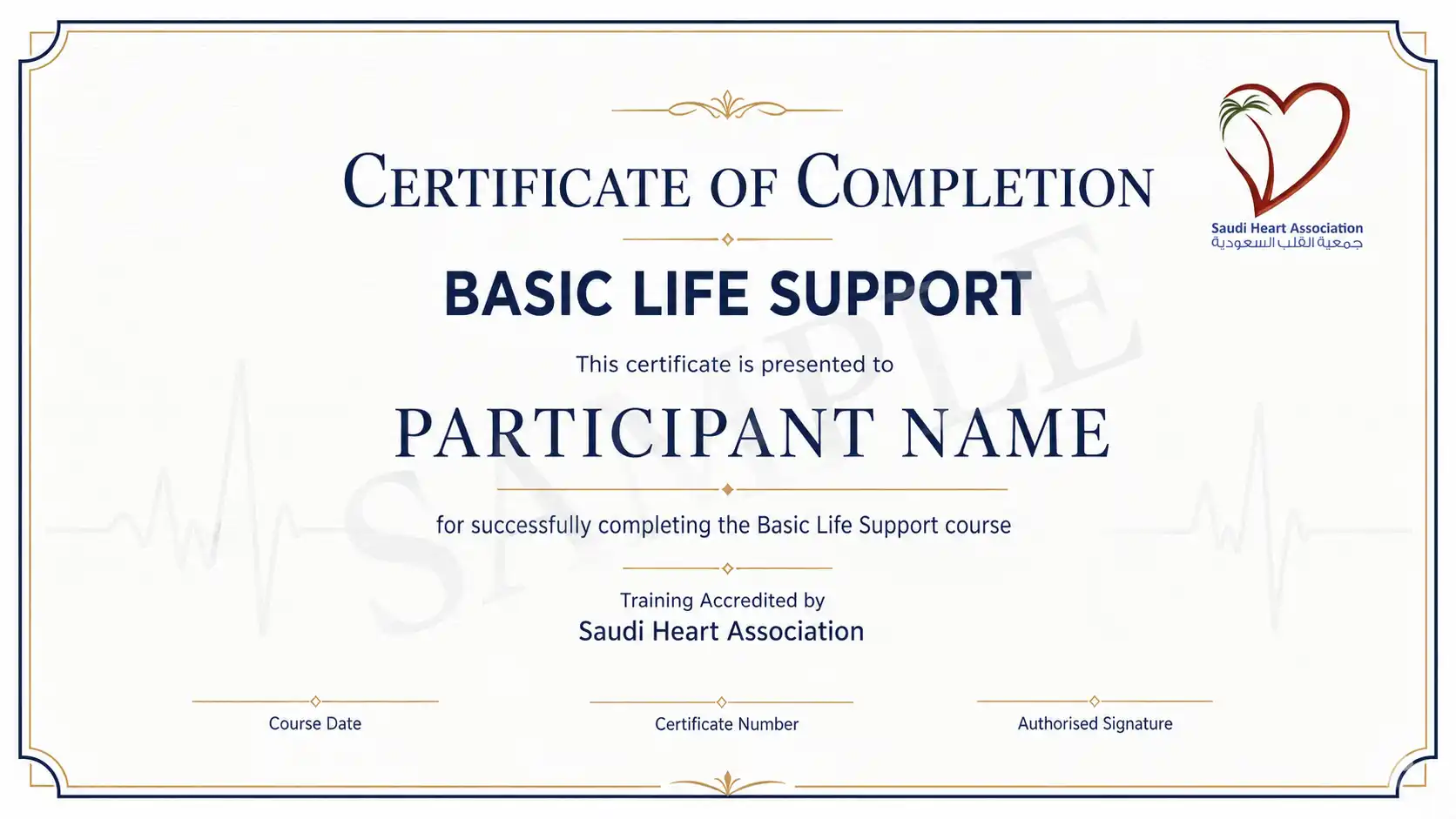
To earn your basic life support certification, you complete a practical skills check and a short knowledge test, with a minimum score of 80 percent required to pass. Your trainer guides you through the whole course, so you are fully prepared before the assessment. On passing, you receive a Saudi Heart Association accredited certificate with a QR verifiable card.
How the Course Is Delivered
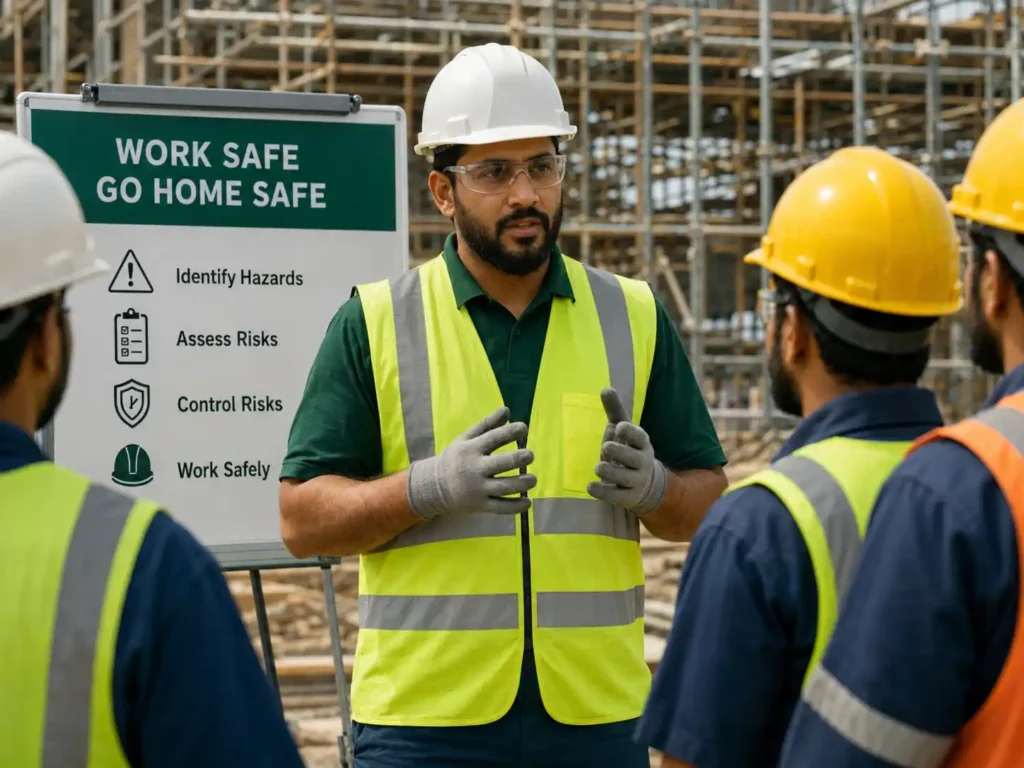
We deliver this course in our centre, or at your site so your team trains together with hands on practice on real equipment. Because the skills depend on physical practice with a manikin and an AED trainer.

Great value for individuals and group training.
How Much Does the Course Cost?
The fee depends on whether you join alone or as a group, and on your chosen location. Call or message us
For a current price and the next batch date.
Why Train With Future Institute
Saudi Heart Association SHA
As a Saudi Heart Association accredited safety training centre serving companies and individuals across the Kingdom, we make life saving skills simple to learn and easy to remember. Our instructors bring real emergency response experience, our sessions are built on hands on manikin and AED practice, and we teach in Arabic, English, Hindi, and Urdu.

4.9/5.0
Rating

100+
Workers
12+ Years
Experience
Frequently Asked Questions
Book Your Basic Life Support Course
Give yourself or your team the skills to save a life. Join in house at our centre or on site at your workplace, and our advisors will confirm the next batch in Arabic, English, Hindi, or Urdu.