
Lifting and Rigging Train the Trainer Course in Saudi Arabia
Accredited under Future Institute and delivered across Saudi Arabia.
Most rigging accidents don’t come from broken equipment. They come from the wrong hitch, an angle nobody checked, or a load that was heavier than anyone thought. This course certifies your own staff to teach rigging and lifting safety properly, so the person running your next lift actually understands what they’re doing.
Your trainer learns how to read a working load limit, choose the correct hitch for a given load, and judge sling angles before a lift begins, and then how to teach all of that clearly to someone who has never rigged a load before. The course is accredited by Future Institute, and it fits crane operators, riggers, and site supervisors who are ready to take on a training role.


What This Course Covers
Rigging comes down to a handful of decisions made correctly, every time. There are three basic types of hitches, each suited to a different situation: a vertical hitch runs a straight line from the hook to the load and carries the full rated capacity of the sling, a choker hitch wraps around the load and cinches tight, which reduces the sling’s capacity but grips awkward or loose loads well, and a basket hitch cradles the load from underneath, which can nearly double the vertical rating if the load is balanced.
Choosing between them isn’t guesswork. It depends on the shape of the load, how it needs to move, and how much margin the rigger wants between the load’s weight and the equipment’s rated capacity.
Beyond hitch selection, four things sit at the centre of every safe lift: knowing the actual weight of the load before it’s touched, never exceeding the working load limit stamped on the gear, matching the hitch and sling angle to the load’s shape, and inspecting slings, shackles, and hardware before each shift rather than assuming yesterday’s check still holds. These aren’t abstract rules. Skip any one of them and the maths behind a safe lift stops adding up.
There’s also a widely known industry figure worth teaching directly: a minimum clearance of ten feet from overhead power lines when operating a crane or rigging equipment near them. It sounds like a large margin from the ground, but a swinging load or an extended boom closes that distance fast, and contact with a live line is one of the few rigging mistakes that kills instantly rather than injuring.

What You Will Learn to Teach
The course builds two things at once: your own rigging judgment, and the ability to hand that judgment to someone else.
- Reading and explaining working load limits, sling tags, and hardware ratings
- Selecting and demonstrating vertical, choker, and basket hitches for different loads
- Judging sling angles and explaining how angle changes affect capacity
- Running a pre lift inspection and teaching others to spot worn or damaged gear
- Planning a training session that moves from explanation to hands on practice
- Assessing whether a learner actually understands the material, not just whether they can repeat it
Who Should Attend
This suits crane operators, riggers, and supervisors with real lifting experience who are being asked to pass that knowledge on. It works well for companies that run frequent lifts and would rather have a trusted senior rigger running internal training than booking an outside instructor every time a new hire joins the crew.
Future Institute Accreditation
Future Institute has trained safety and lifting personnel across the Kingdom for years. Your certified trainer receives a rigging and lifting certificate with a QR verifiable card, so a supervisor or auditor can confirm it’s genuine without a phone call.

Course Details at a Glance
| Course Duration | 2 to 3 Days |
|---|---|
| Delivery Method | Classroom or at Your Workplace |
| Instructor Languages | English, Arabic, Urdu and Hindi |
| Certification Provider | Future Institute |
| Certificate Validity | 2 Years, renewable with a refresher course |
| Assessment Criteria | Practical assessment and knowledge assessment |
| Certificate of Completion | Issued upon successful completion and verifiable through a QR code |
The fee depends on group size and location, and companies training several trainers at once get a better rate.
Why Train With Future Institute

Future Institute Accreditation
Our instructors have worked rigging jobs themselves, which shows in how they teach: less time on theory nobody remembers, more time on the judgment calls that actually come up on a real lift. Sessions run in Arabic, English, Hindi, and Urdu, at our centre or wherever your crew is based.

4.9/5.0
Rating

100+
Workers

12+ Years
Experience
Other Train The Trainer Courses
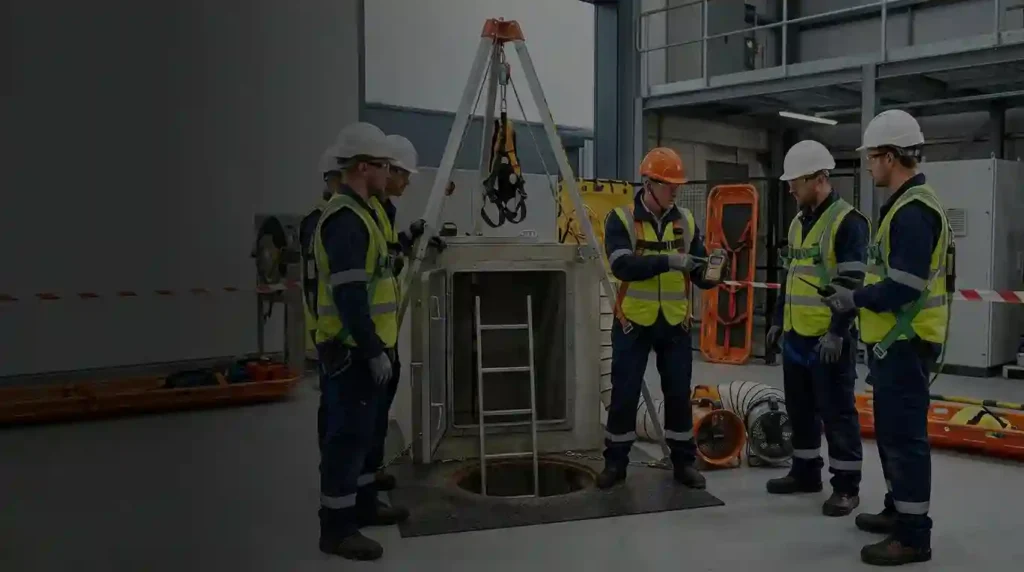
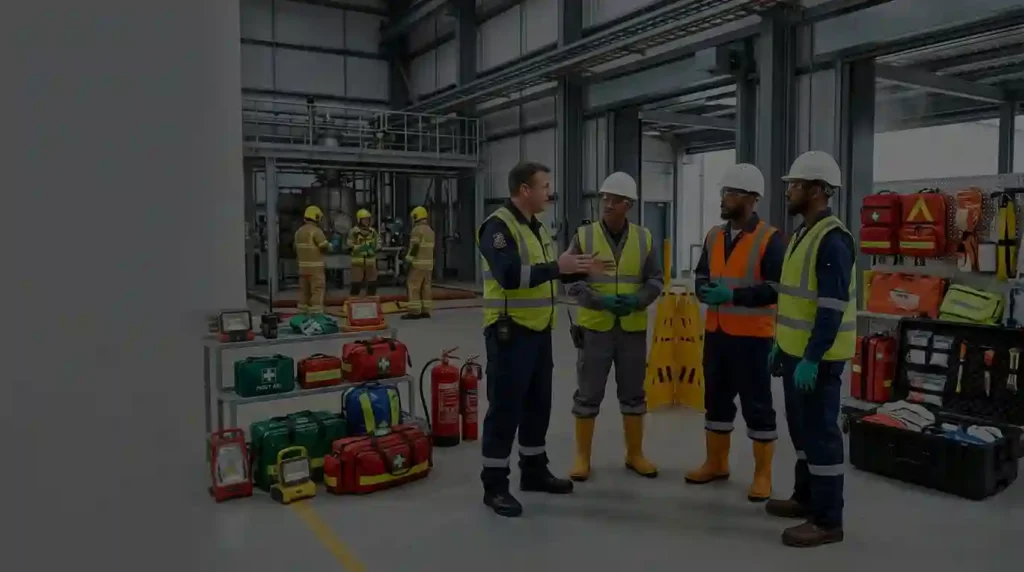
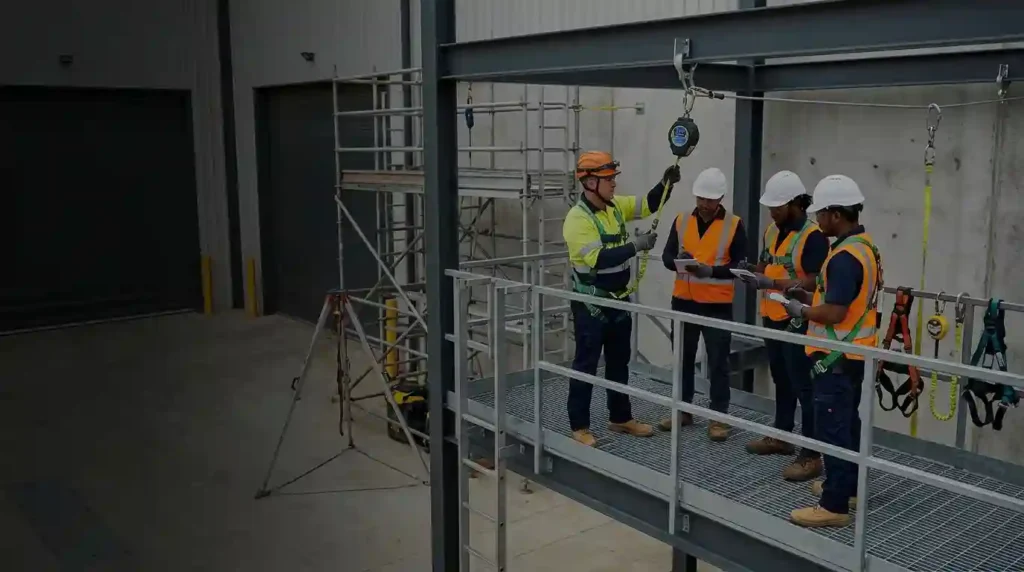
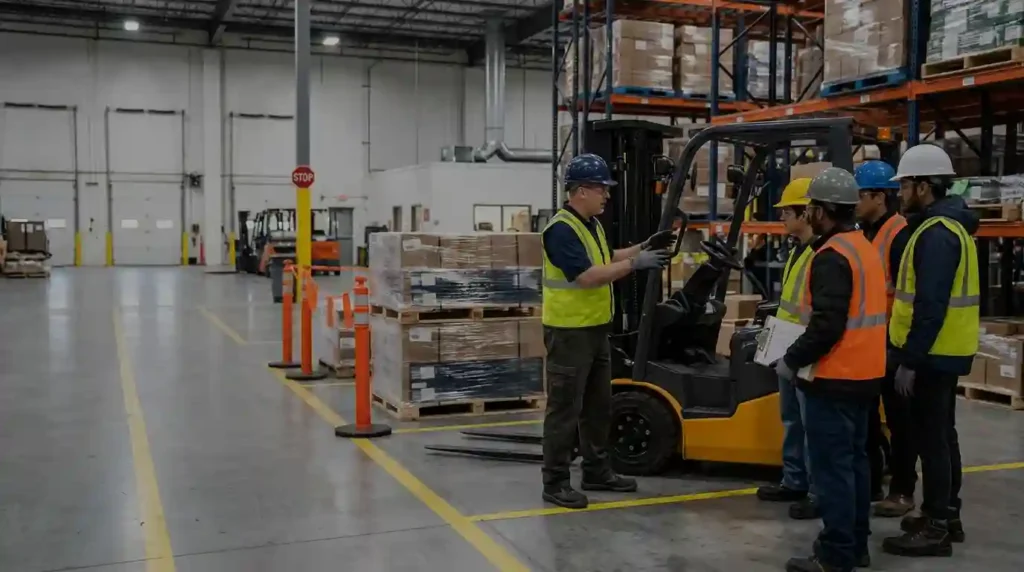
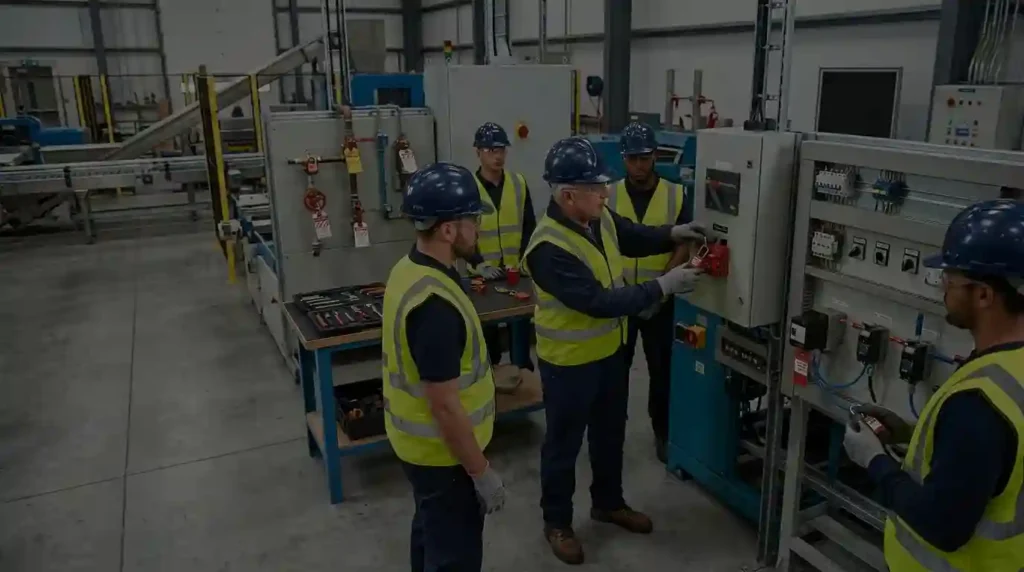
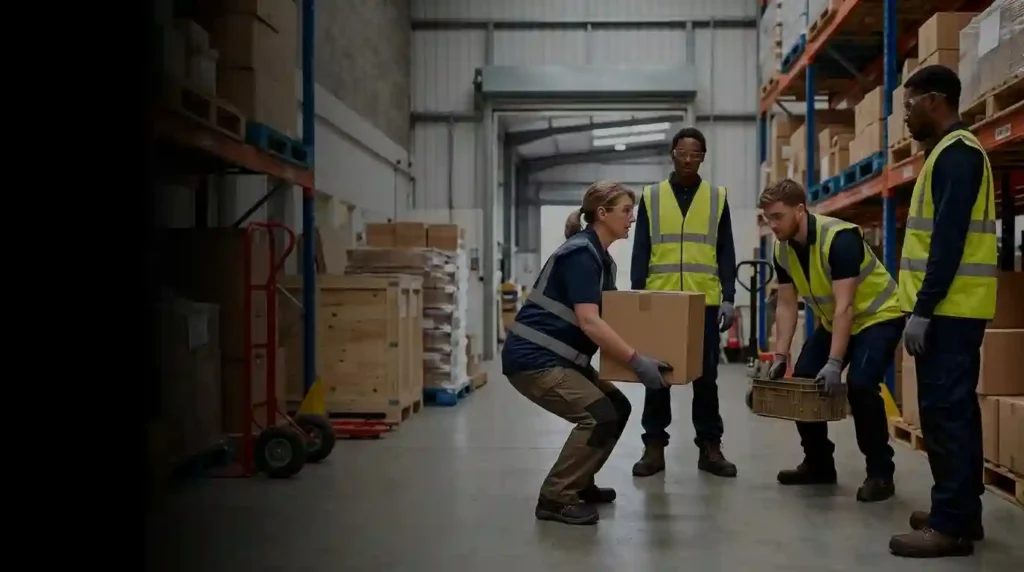
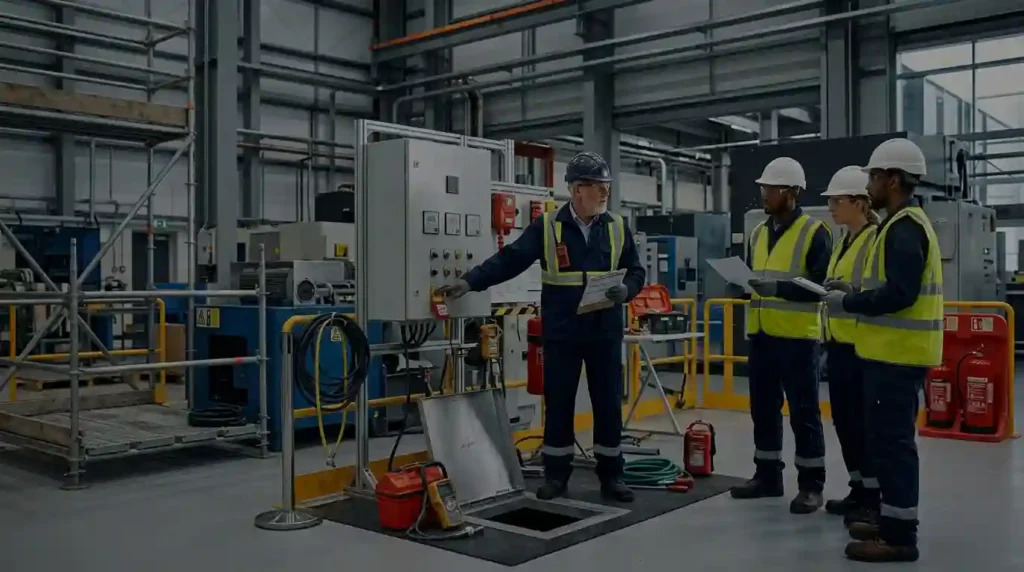
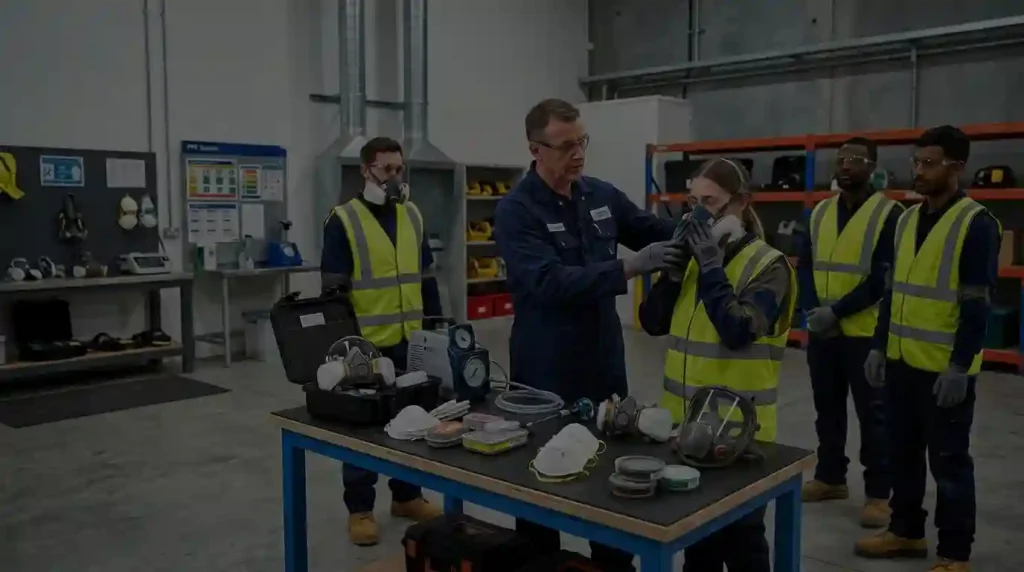

Looking to train your team directly instead of certifying a trainer? Explore our other Train the Trainer courses.
Frequently Asked Questions
Book Your Lifting and Rigging Train the Trainer Course
Get in touch and we’ll confirm the next available batch, delivered at our institute or at your site.